Cationic starch: strength and retention
Positively charged starch bonds to negatively charged fibres and fillers: higher dry strength, better retention of fines and fillers, faster drainage.
10 · Industrial
Strength, retention and a printable surface, from the wet end to the coater
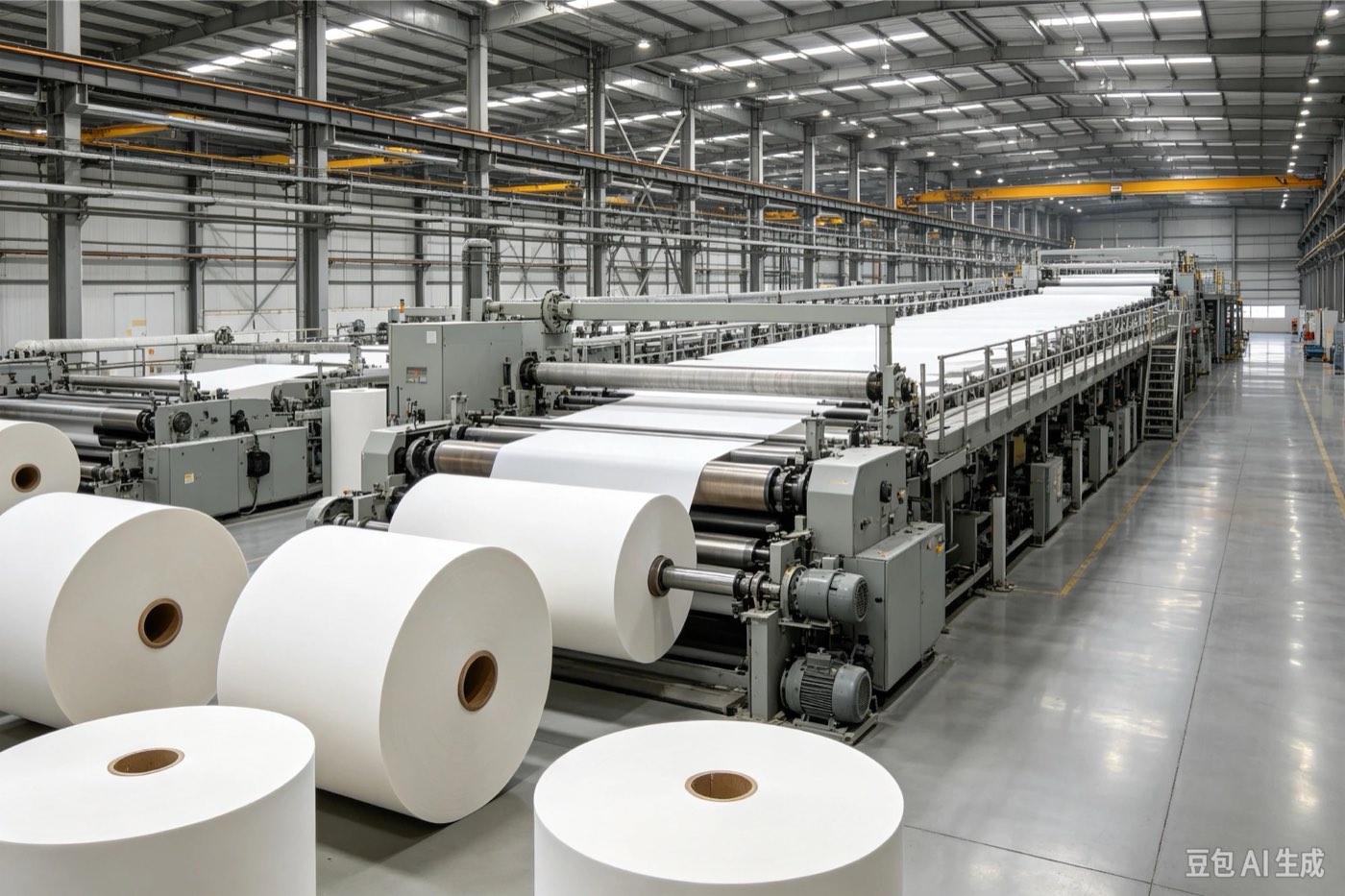
Starch works at three points in papermaking. At the wet end, cationic and amphoteric starches bond to fibres and fillers to raise paper strength and retention. At the size press, oxidized and acid-treated starches seal the surface for strength and printability. In the coater, starch binds pigments and controls coating rheology. Gaofeng also supplies starches for textile warp sizing and for printing and dyeing.
Request sample & data sheetPositively charged starch bonds to negatively charged fibres and fillers: higher dry strength, better retention of fines and fillers, faster drainage.
With both cationic and anionic groups, it keeps working at high conductivity and in recycled-fibre or closed-loop systems, where plain cationic starch loses efficiency.
Seals the sheet: higher surface strength and stiffness, less linting and dusting, better printability and ink holdout.
Binds pigment particles, controls coating viscosity and water retention, and can replace part of the synthetic latex.
Runs cleanly at high solids on size presses and coaters.
A strong, flexible film on warp yarns improves weaving efficiency and abrasion resistance.
Tell us the product, process temperature, pH, shear and the result you need. Our application team will suggest grades and an evaluation route.